

Quick answer
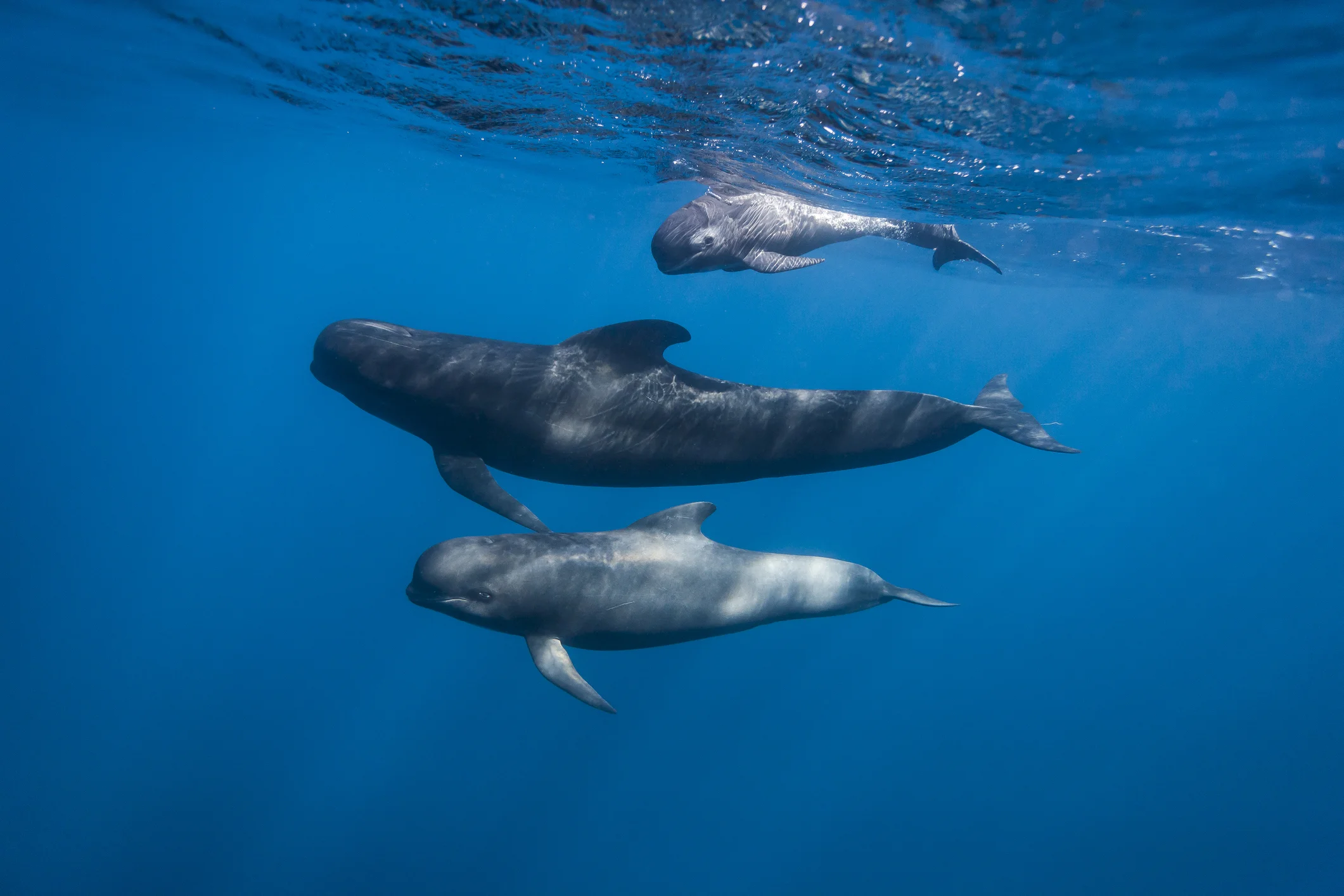
Yes, you can see whales in Lanzarote—short-finned pilot whales are resident year-round in the waters between Lanzarote and Fuerteventura, and several dolphin species including bottlenose and Atlantic spotted dolphins are frequently sighted. Seasonal baleen whales such as fin whales and Bryde's whales transit the Canary Islands corridor during spring and autumn migrations, though sightings are less predictable. Morning departures between March and October offer the calmest sea conditions and highest encounter probability.
The volcanic archipelago sits at the intersection of deep Atlantic currents and the African continental shelf, creating nutrient upwellings that sustain a year-round cetacean population. Short-finned pilot whales—technically large dolphins—form stable pods in the channel separating Lanzarote from Fuerteventura, where water depth drops rapidly to over 1,000 meters within a few kilometers of shore. These pods feed primarily on squid and display predictable movement patterns, making them the most reliably encountered cetacean species off the island. Bottlenose dolphins and Atlantic spotted dolphins patrol the coastal shallows and are sighted on approximately seventy percent of departures during peak season. Striped dolphins and common dolphins appear sporadically, often in larger groups further offshore. Rough-toothed dolphins, less common across the Canaries, have been documented in Lanzarote waters during summer months. The resident population remains accessible throughout the year, though sea state rather than animal presence determines daily tour viability—the northeast trade winds that define the island's climate also dictate whether boats can reach the deeper channel where pilot whales congregate. Baleen whale sightings depend entirely on migratory timing. Fin whales, the second-largest animal on Earth, pass through Canary waters between February and May as they move north toward Atlantic feeding grounds, then return southward between September and November. Bryde's whales, which favor warmer water, occasionally linger near the islands during summer. Blue whales and humpback whales are documented in regional sighting databases but remain exceptional rather than expected. Sperm whales, deep-diving toothed whales that hunt at extreme depth, inhabit the offshore canyon systems west of the archipelago but rarely approach the shallower waters toured by standard excursions. Operators departing Marina Puerto Calero run daily wildlife observation trips between 09:00 and 18:00, with morning slots typically offering glassier sea conditions and better visibility for spotting blows and dorsal fins at distance. Tour duration ranges from two to three hours depending on the route and whether the boat travels into the open channel or remains closer to the Papagayo coast. No permits are required for passengers, and the marina area itself is free to access. Booking ahead is recommended during the March-to-October window when demand is highest and sea conditions most favorable.
“The volcanic archipelago sits at the intersection of deep Atlantic currents and the African continental shelf, creating nutrient upwellings that sustain a year-round cetacean population.”
When Is the Best Time to See Whales in Lanzarote?
Whale watching in Lanzarote is possible year-round, but spring and autumn migration periods offer higher activity levels. Morning departures are consistently favored because calmer sea conditions provide better visibility for spotting wildlife.
Spring (March–May)
Moderate crowdsMild 20–22°C; calm seas
Migrating species pass through the islands during this period.
Autumn (September–November)
Low crowdsWarm 23–25°C; stable waters
Favorable temperatures and sightings continue as waters remain warm.
Summer (June–August)
High crowdsHot 26–29°C; frequent sunshine
Wildlife is present, though boat traffic increases during peak holiday months.
Winter (December–February)
Low crowdsCool 18–20°C; variable winds
Sightings are frequent, but sea conditions can be more unpredictable.
Verdict: The best opportunity for spotting occurs during weekday mornings in April or October, when sea conditions are typically most stable.
Species You Can See When Watching Whales in Lanzarote
The waters surrounding Lanzarote are home to a remarkable variety of marine life, with over 30 cetacean species reported in the region. Many of these animals are resident populations, allowing for sightings throughout the entire year.
Short-finned Pilot Whale
These are the most commonly sighted whales around Lanzarote because they are a resident species. They often travel in tight-knit family groups and can grow up to 6.5 meters in length.
Bottlenose Dolphin
As the most common dolphin species in these waters, they are known for their intelligence and social behavior. They are frequently observed swimming in groups and interacting with passing vessels.
Atlantic Spotted Dolphin
These energetic dolphins are often identified by the distinct spots that develop as they mature. They are highly social animals that are known for their love of bow-riding near boats.
Sperm Whale
The largest of the toothed whales, these impressive creatures are occasional visitors to the deep waters around the island. They are famous for their ability to perform deep dives while hunting.
Common Dolphin
Recognizable by their distinct hourglass pattern, these fast-swimming dolphins are regular inhabitants of the archipelago. They are highly active and frequently spotted during boat excursions.
Migratory Species
Beyond resident populations, species such as blue whales, fin whales, and humpback whales occasionally pass through these waters during their migratory routes. These sightings are more seasonal and often depend on ocean conditions.
Operating Hours for Tours Where You Can See Whales in Lanzarote
The marina area and tour booking facilities operate daily to accommodate visitors interested in whale and dolphin watching excursions.
| Monday | 09:00–18:00 | |
|---|---|---|
| Tuesday | 09:00–18:00 | |
| Wednesday | 09:00–18:00 | |
| Thursday | 09:00–18:00 | |
| Friday | 09:00–18:00 | |
| Saturday | 09:00–18:00 | |
| Sunday | 09:00–18:00 |
Pricing for Tours Where You Can See Whales in Lanzarote
Entry to the Marina Puerto Calero area is free of charge. Costs for whale and dolphin watching excursions are determined independently by private tour operators.
Actual excursion costs vary by private operator and depend on the specific vessel and tour duration selected.
Getting There: How to Access Boats Where You Can See Whales in Lanzarote
The primary departure point for whale and dolphin watching excursions is Marina Puerto Calero, located in the municipality of Yaiza. It is accessible by road from major tourist hubs via the LZ-2 highway.
LZ-2 highway to the Puerto Calero exit
Intercity Bus Line 161 or 261 to Puerto Calero stop
Direct service to Marina Puerto Calero
Dos and Don'ts When You Can See Whales in Lanzarote
Responsible whale and dolphin watching protects marine life and increases your chances of clear sightings. Following observation guidelines ensures minimal disturbance to natural behaviors.
Do
- Keep noise levels low to avoid startling cetaceans
- Follow your guide's instructions on viewing distance and behavior
- Bring binoculars for closer views without approaching animals
- Wear non-slip footwear and secure loose items before departure
- Apply reef-safe sunscreen before boarding to protect marine ecosystems
- Stay seated when the boat is moving or animals surface nearby
Don't
- Don't reach over the side or attempt to touch wildlife
- Don't use flash photography, which can disorient cetaceans
- Don't throw food or litter into the water
- Don't make sudden movements or loud noises when animals approach
- Don't expect guaranteed sightings; wild populations move freely
- Don't book with operators lacking proper permits or safety equipment
Check availability
Frequently Asked Questions: Can You See Whales in Lanzarote
Everything you need to know about can you see whales in lanzarote